
Education Center
Metals
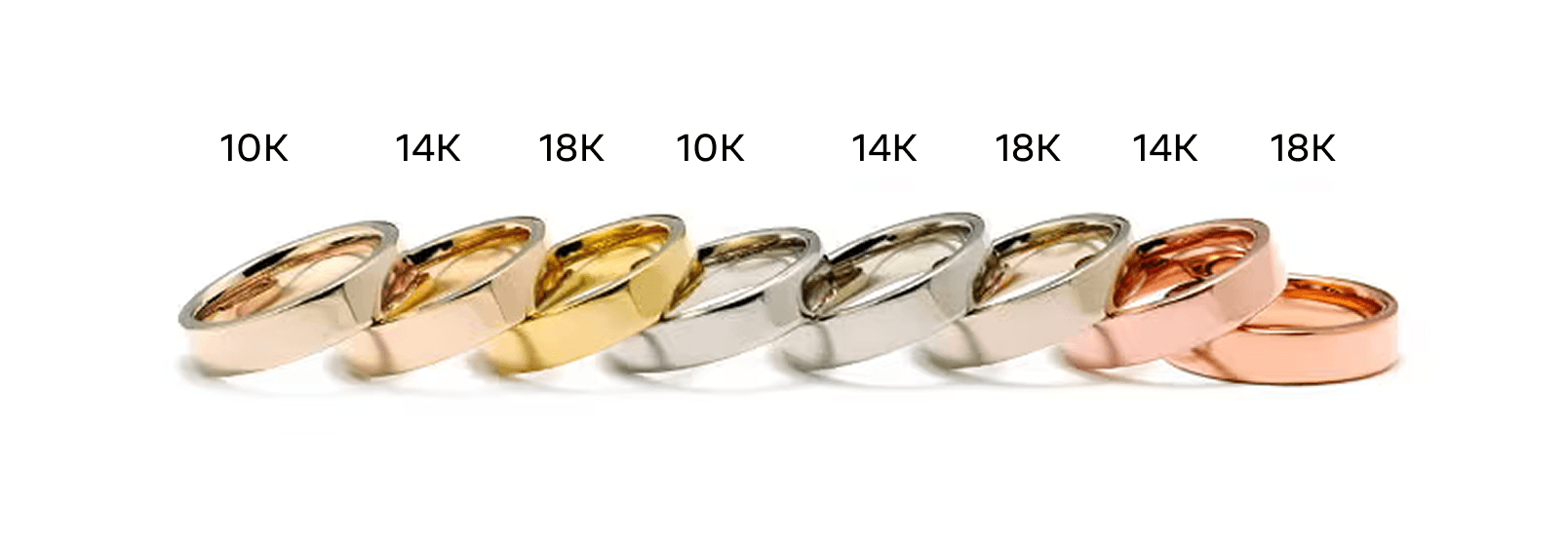
Selecting the right metal for an engagement ring is a key step in the design process that can be both exciting and straightforward. By familiarizing yourself with the basics of different metals, you can make an informed choice that reflects your personal taste and fits your budget. Whether you’re drawn to the classic elegance of white gold, the timeless beauty of yellow gold, or the sophisticated durability of platinum, each metal has its own unique attributes. To find the perfect match, consider the advantages and disadvantages of each option before making your final decision.
White Gold Jewelry
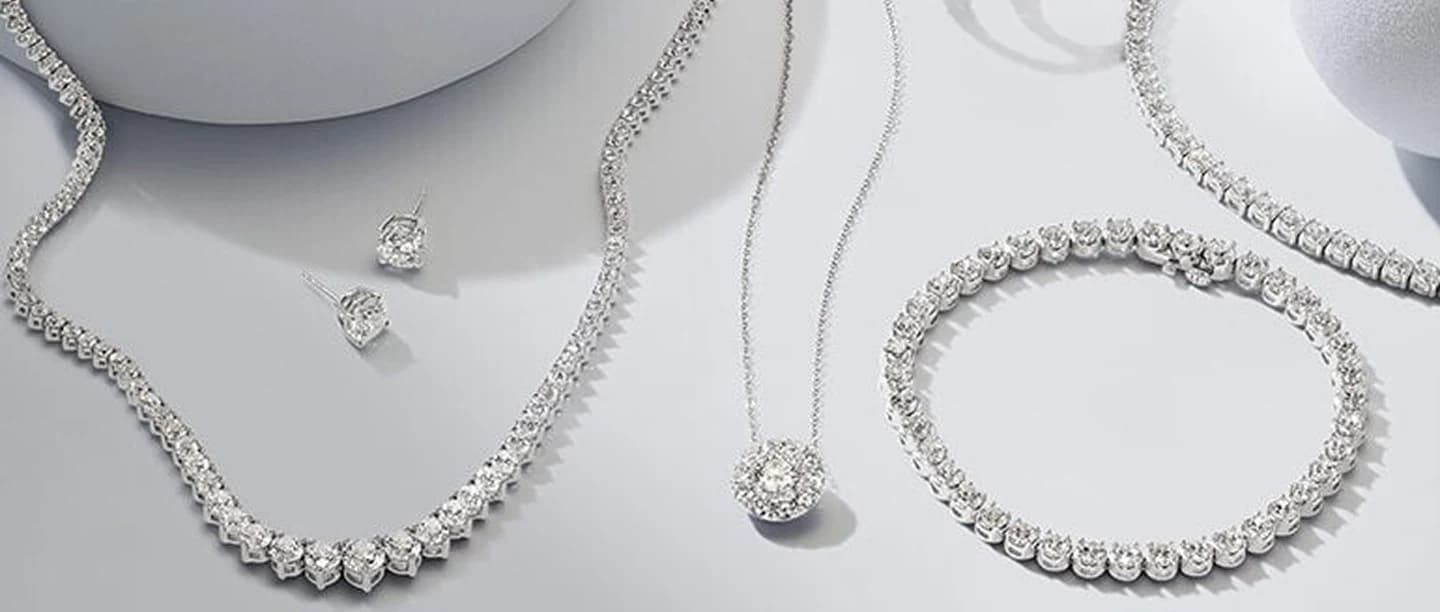
White gold is a classic and versatile choice for various types of jewelry. Its sophisticated silvery-white appearance is achieved by alloying gold with metals like nickel, palladium, or silver. White gold’s beauty closely resembles platinum but is often more affordable. It’s an excellent choice for settings that enhance the brilliance of gemstones, especially diamonds.
We offer white gold in 14K and 18K. 14K gold contains 58.5% gold, while 18K white gold is made up of 75% gold and 25% other metals (nickel, zinc, etc). White gold has the overall look of platinum, but is notably less expensive. It is typically alloyed with nickel, zinc, silver, and/or palladium to give it its white color and is often plated with rhodium—a shiny, white metal that is a member of the platinum family—to give it an even whiter appearance and protect it from color loss.
Although white gold is not subject to tarnish, it may develop a slightly yellow color over time as a result of its 75% yellow gold content. If this happens, white gold’s original beauty can be restored by a simple re-plating.
Caring For White Gold Jewelry
Even though white gold is resilient, there are important measures you can take to keep you jewelry looking as good as new. To keep white gold shiny and scratch-free, store it in a soft cloth bag or fabric-lined jewelry box. White gold should be cleaned with mild soap and warm water, using a non-metallic, soft brush (like a toothbrush). To retain white gold’s luster, make sure to keep it away from harmful and corrosive chemicals such as bleach, ammonia and chlorine. And always use a soft, lint-free cloth—never paper towels—to dry the jewelry.
Yellow Gold Jewelry
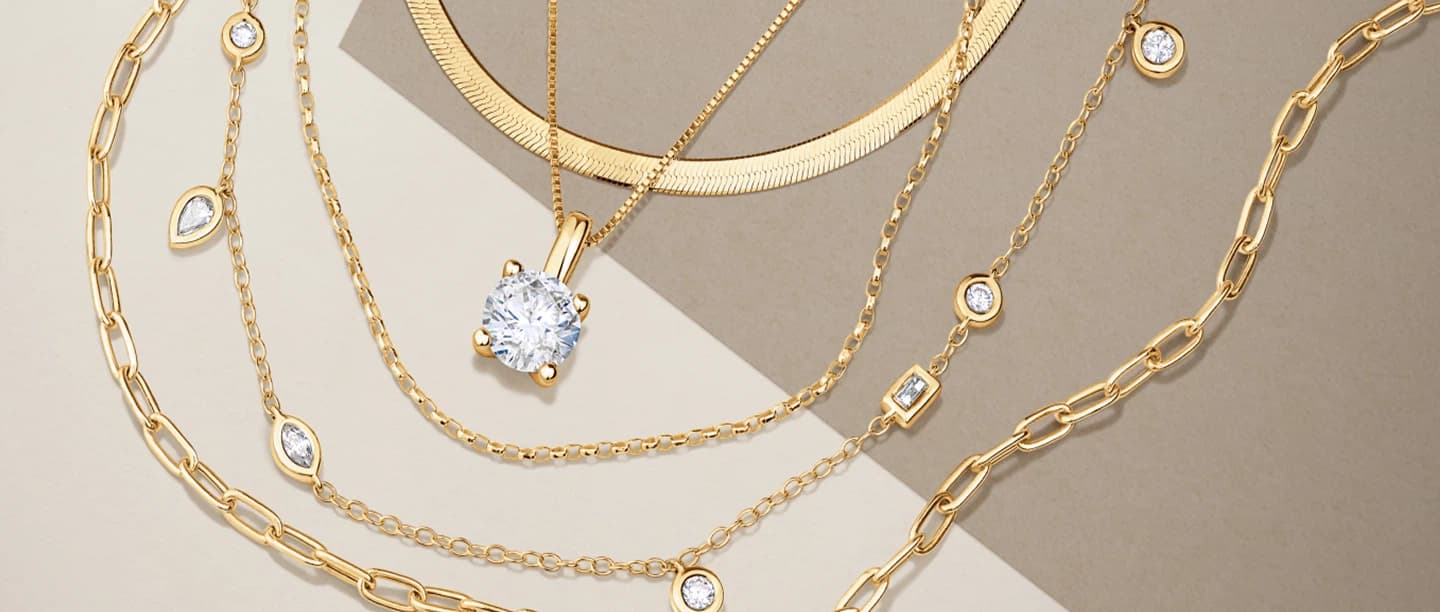
Yellow gold is the most traditional and recognizable form of gold, with a warm, golden hue that is naturally occurring. It is commonly alloyed with copper and silver to achieve different karat levels, such as 14K and 18K, which balance durability and beauty. Yellow gold is known for its strength and resistance to tarnish, making it a timeless choice for various jewelry pieces.
Pure gold, graded 24 karats, is too soft for use in making jewelry—as a rule, the higher the karat count, the softer the gold. 18kt gold is composed of 75% gold alloyed with 25% other metals, and is used in the making of fine jewelry. 14kt gold, which is composed of 58.3% gold, is commonly used in jewelry in which strength and hardness are important factors. 10kt gold is made up of 41.7% gold, and 10 karats is the minimum amount of karats an items needs to be classified as real gold in the U.S.
Authentic gold jewelry bears a “karat mark”, which is a “k” stamp. According to U.S. law, every gold item must also be stamped with the manufacturer’s trademark and country of origin to ensure the authenticity of the gold.Yellow gold is the most traditional and recognizable form of gold, with a warm, golden hue that is naturally occurring. It is commonly alloyed with copper and silver to achieve different karat levels, such as 14K and 18K, which balance durability and beauty. Yellow gold is known for its strength and resistance to tarnish, making it a timeless choice for various jewelry pieces.
Pure gold, graded 24 karats, is too soft for use in making jewelry—as a rule, the higher the karat count, the softer the gold. 18kt gold is composed of 75% gold alloyed with 25% other metals, and is used in the making of fine jewelry. 14kt gold, which is composed of 58.3% gold, is commonly used in jewelry in which strength and hardness are important factors. 10kt gold is made up of 41.7% gold, and 10 karats is the minimum amount of karats an items needs to be classified as real gold in the U.S.
Authentic gold jewelry bears a “karat mark”, which is a “k” stamp. According to U.S. law, every gold item must also be stamped with the manufacturer’s trademark and country of origin to ensure the authenticity of the gold.
Caring For White yellow Jewelry
Even though gold is resilient, there are important measures you can take to keep you jewelry looking as good as new. To keep gold shiny and scratch-free, store it in a soft cloth bag or fabric-lined jewelry box. Gold should be cleaned with mild soap and warm water, using a non-metallic, soft brush (like a toothbrush). To retain gold’s luster, make sure to keep it away from harmful and corrosive chemicals such as bleach, ammonia and chlorine. And always use a soft, lint-free cloth—never paper towels—to dry the jewelry.
Rose Gold Jewelry
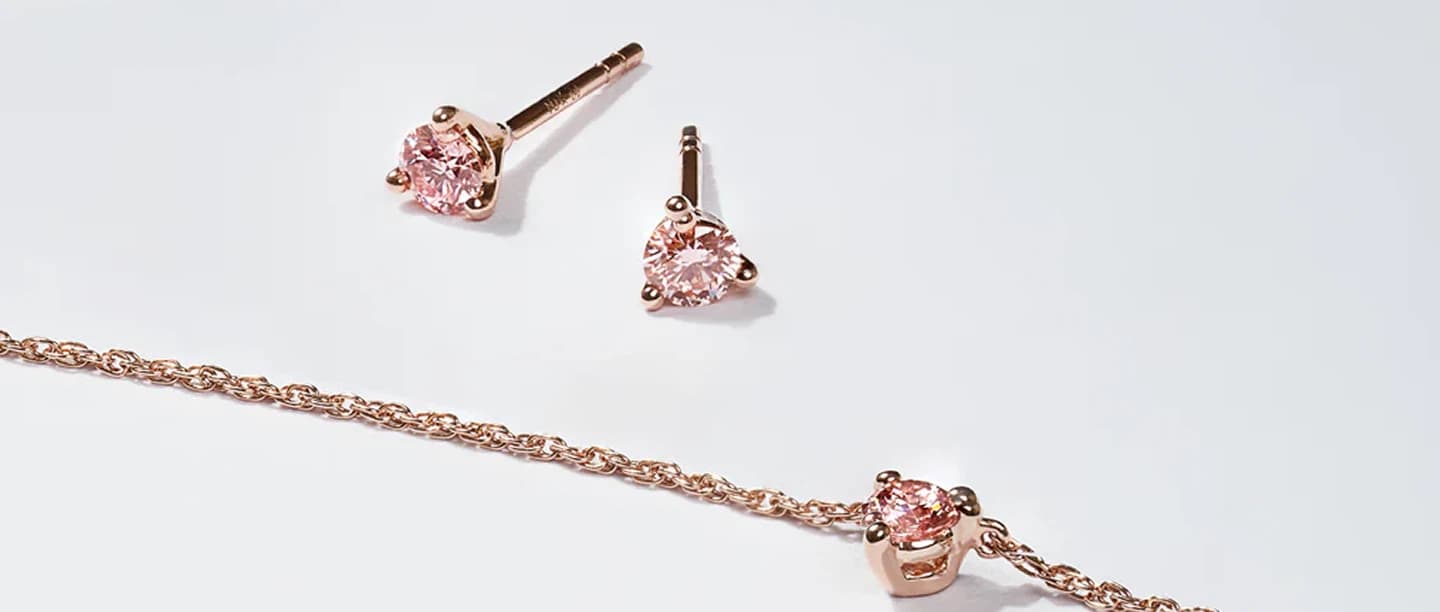
Rose gold, known for its warm, reddish hue, is created by alloying gold with copper. The resulting pinkish-gold color is highly sought after for its romantic and vintage appeal. The color intensity can vary depending on the copper content, with more copper producing a deeper red tone. A common alloy for Rose gold is composed of 75% gold and 25% copper by mass.
Caring For Rose GOLD Jewelry
To keep rose gold jewelry looking radiant, store it in a soft cloth bag or a fabric-lined jewelry box. Clean it with mild soap and water, and use a non-metallic brush for gentle scrubbing. Avoid exposure to harsh chemicals, and always dry the jewelry with a soft, lint-free cloth.
Platinum Jewelry
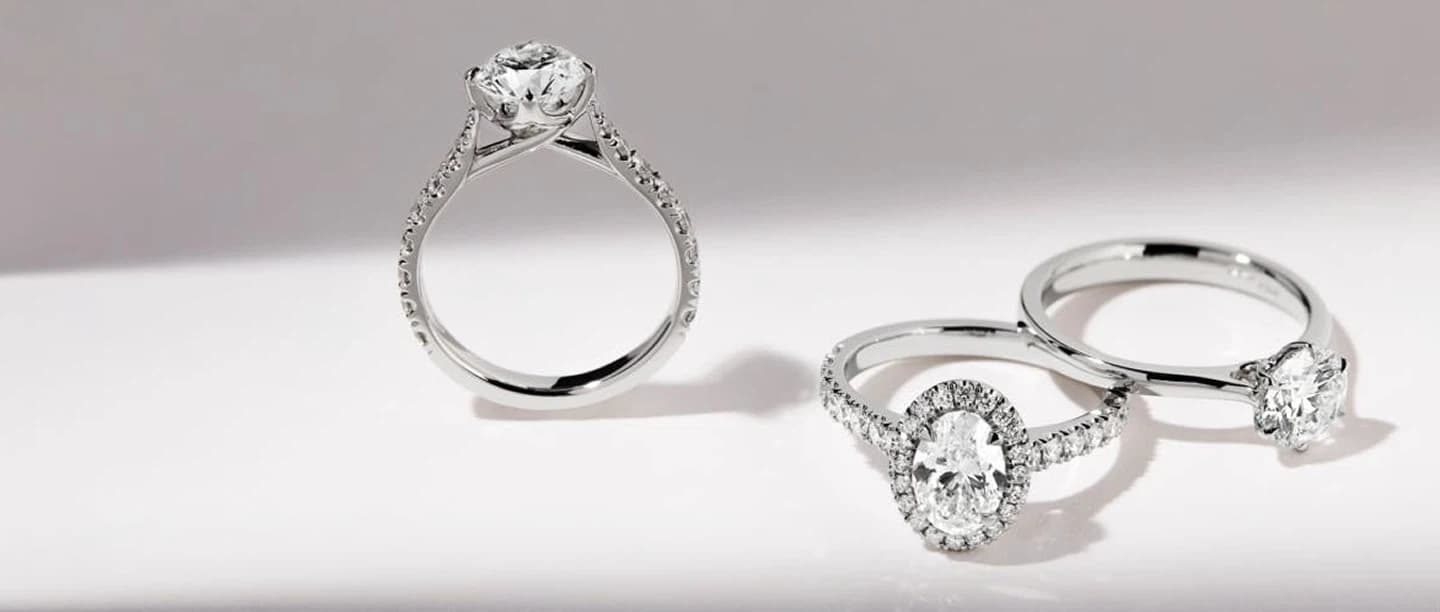
Platinum is one of the rarest and most coveted metals in the world, found in only a few select locations. Globally, around 160 tons of platinum are produced annually, a stark contrast to the 1,500 tons of gold mined each year. This rarity is a key factor in why platinum commands a higher price compared to other precious metals.
Recently, platinum has gained tremendous popularity due to its stunning appearance and remarkable durability. Its deep, lustrous white sheen makes it a favored choice for fine jewelry settings, particularly for pieces featuring diamonds, as it enhances their sparkle and brilliance. Additionally, platinum’s high purity level, ranging from 90% to 95%, makes it a great option for those with sensitive skin or metal allergies.
Known for its exceptional strength, platinum stands up to daily wear better than many other metals. Unlike white gold, which requires periodic rhodium plating to maintain its bright white appearance, platinum retains its color and luster without additional treatments.
Fine platinum jewelry typically contains 95% platinum, with a 5% blend of metals like iridium, palladium, or ruthenium to enhance its durability. In the U.S., the purity of platinum is indicated by stamps like “950 Plat” for 95% purity and “900 Plat” for 90% purity, ensuring that only high-quality platinum jewelry is labeled as such.
Caring For platinum Jewelry
Keeping your platinum jewelry in pristine condition is straightforward. Simply soak your pieces in a gentle soap solution mixed with warm water, then use a soft-bristled brush to carefully clean them. To prevent scratches and keep the metal looking its best, store your jewelry in its original box, a soft cloth bag, or a fabric-lined jewelry box. If you wear your platinum jewelry regularly, you might notice a subtle patina developing over time. While this natural sheen is often desired, you can always take your jewelry to a professional for polishing to restore its original brilliance.